Is Larch the Perfect Wood for Siding?
When it comes to selecting a material for your home's exterior, you'll find a plethora of options, each boasting unique characteristics and benefits. One enduring favorite often overlooked in this discussion is larch. Larch siding, unlike its more popular cousins like cedar and vinyl, has a distinct charm and a host of advantages that might make it an ideal choice for your project. But is larch good for siding? Let's dive into the details and find out.
Before you make a decision, it's crucial to understand that every species of wood has its strengths and weaknesses. Larch, a deciduous conifer, is no exception. By exploring its properties in depth, we can better appreciate why it's a feasible option for your siding needs.
Durability and Longevity
Durability is a key factor when choosing a siding material, and larch ranks high in this regard. Its dense, fine-grained wood is inherently resistant to rot and insect damage, characteristics that contribute to its long lifespan. This durability also translates to better performance against everyday wear and tear, ensuring that your home's exterior looks polished and well-maintained for years to come.


Moreover, larch's natural decay resistance allows it to hold up well in damp environments, making it an excellent choice for homes in humid regions. Its durability ensures that you won't be replacing your siding anytime soon, saving you money and hassle in the long run.
Intrinsic Rot Resistance
One of larch's standout features is its innate resistance to rot. This boiled-down resin present in the wood acts as a natural preservative, stopping fungi and bacterial growth that would otherwise degrade the wood. This rot resistance not only extends the life of your siding but also reduces the need for regular maintenance and treatments, saving you time and money.
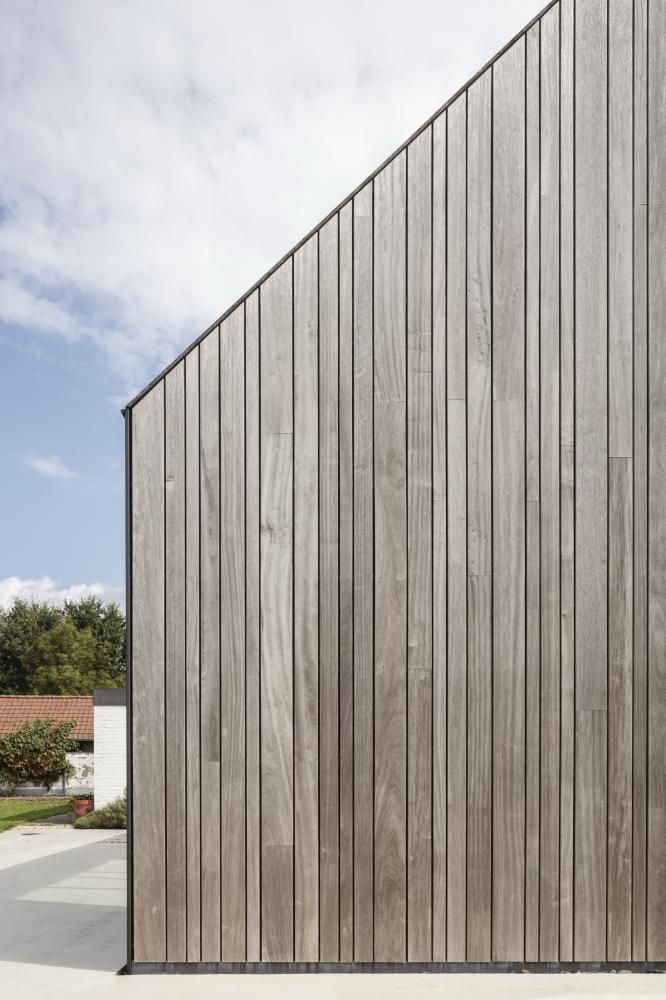


Furthermore, larch's rot resistance makes it an attractive option for areas where moisture and humidity are prevalent, such as foundations or areas of your home prone to dampness. Here, its ability to withstand the elements without showing signs of decay sets it apart from other siding materials.
Weathering and Aesthetics
Larch siding has a unique ability to maintain its attractive appearance over time, thanks to its weathering properties. Unlike some woods, larch does not turn gray or dull when exposed to the elementos. Instead, it develops a warm, silvery patina that enhances its natural beauty, giving your home an elegant, timeless look that improves with age.
Additionally, larch comes in a variety of grades and cuts, from clear-heartSpecies to heavy knots and(warm) that offer a range of aesthetic choices to complement any home's exterior. Its natural beauty, combined with its long-lasting appeal, makes it an appealing option for those who want a siding material that's both attractive and durable.


Eco-Friendliness and Sustainability
In today's environmentally conscious era, sustainability is an essential factor to consider when choosing a building material. Larch siding scores high in this department due to its renewable and low-impact nature. Here's why:
rapide
Renewable Resource
Larch is a fast-growing tree, with some species capable of adding up to 9 feet in height each year. This rapid growth makes it a highly sustainable resource. Moreover, many larch species are plantation-grown, ensuring that the industry's demand does not negatively impact natural forests. By choosing larch siding, you're helping to support responsible forest management practices.


Notably, the United States Department of Agriculture (USDA) and the Forest Stewardship Council (FSC) both list larch as a recommended siding option due to its positive environmental impact. This certification bodies' endorsement speaks volumes about larch's sustainability and eco-friendliness.
Low Energy Requirements
Another sustainability advantage of larch siding is its low energy requirements during production. Processing larch into siding materials demands less energy than producing alternatives like steel or aluminum. Furthermore, larch's natural decay resistance means that it requires fewer treatments and preservatives, further reducing its environmental impact.
Additionally, due to its rot resistance, you can expect larch siding to last longer than many other woods. This longevity means that you won't have to replace your siding as frequently, reducing waste and further contributing to its overall sustainability.
Choosing the right siding material is not a decision to be taken lightly. It's a significant investment that impacts your home's appearance, functionality, and resale value. But with its unique combination of durability, aesthetics, weather resistance, and sustainability, larch siding is a strong contender worth considering. So, is larch good for siding? Absolutely, and its unique features may just make it the perfect fit for your project. Contact local lumber yards or construction experts today to explore larch siding options further.
Related Articles
Is Larch the Ideal Wood for Building?
When it comes to choosing a building material, durability, aesthetics, and sustainability are often at the forefront of our minds. One timber species that...

Is Larch Wood Ideal for Furniture?
Ever wondered if larch wood is a suitable choice for your furniture? You're not alone. With its striking appearance and unique attributes, larch wood has...

Is Larch the Ideal Wood for Woodworking?
If you're a woodworker on the hunt for a new material, you might be wondering, "Is larch good for woodworking?" Larch, also known as Lebanese or European...

Is Larch Wood Ideal for Outdoor Furniture?
When it comes to furnishing your outdoor space, durability and weather resistance are key factors to consider. Larch wood, a versatile and robust material...

Perfect Fit: Outdoor Wood Fireplace Dimensions for Your Patio or Yard
Embarking on the journey to enhance your outdoor living space? One timeless and captivating feature to consider is an outdoor wood fireplace. These structural...

Modern Supreme Cedar Wood Gazebo: 10x12, Perfect for Modern Homes
Discover the perfect blend of modern elegance and classic charm with the Modern Shade Supreme Cedar Wood Gazebo, a 10 x 12 ft. masterpiece that transforms your...