Life Expectancy in 1865
Life expectancy in 1865 provides a fascinating glimpse into the health and societal conditions of the mid-19th century. As the world transitioned from the Age of Enlightenment to the Industrial Revolution, understanding life expectancy during this period offers valuable insights into the lives and times of our ancestors.
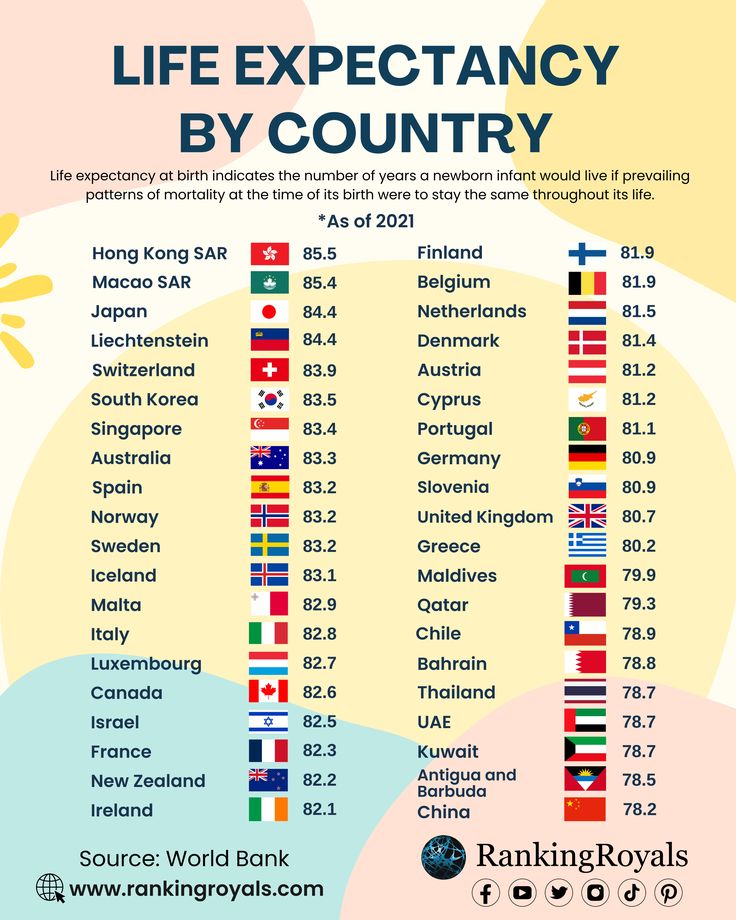
The year 1865, a significant one in American history due to the end of the American Civil War, saw life expectancy at birth vary widely across different populations and regions. According to data compiled by Prof. Samuel H. Preston of the University of Pennsylvania, the average global life expectancy at birth was just 35.6 years, a stark contrast to the 72.6 years average today.
Factors Influencing Life Expectancy in 1865
Several factors contributed to the low life expectancy in 1865. The most significant were recurrent infectious diseases, poor nutrition, inadequate healthcare, and high infant mortality rates.


In the mid-19th century, understanding of pathogens and diseases was limited. Diseases like tuberculosis, cholera, dysentery, and smallpox were rife, sweeping through communities with alarming frequency. Vaccination programs were in their infancy, and anti-microbial treatments were non-existent.
Infectious Diseases and Pandemics
Infections were the leading cause of death in 1865. Without effective treatments or preventive measures, outbreaks could decimate populations. The year 1865 was marked by recurrent cholera outbreaks, with mortality rates soaring in affected areas.


Aggressive public health measures, while often revolutionary for the time, were only sporadically enacted. maaktGreen spaces, open drainage systems, and contaminated water sources fostered the spread of diseases, particularly in urban areas.
Nutrition and Healthcare Availability
Nutrition played a crucial role in overall health and life expectancy. Poor dietary choices, often due to limited economic means, contributed to high rates of malnutrition. The lack of understanding about the role of hygiene and nutrition in disease prevention exacerbated the situation.
Healthcare was primarily based on the doctor's own knowledge and experience. While medical schools were improving and the notion of evidence-based medicine was starting to gain traction, treatments were often ineffectual or harmful. Moreover, access to healthcare was heavily dependent on socioeconomic status.


Life Expectancy Across Diverse Populations
Life expectancy in 1865 varied significantly among different populations, races, and geographic locations. Data from the U.S. Census Bureau and historical mortality records highlight these disparities.
For instance, African Americans, both enslaved and free, had life expectancies significantly lower than white Americans. This can be attributed to the harsh conditions of slavery, racial discrimination in healthcare access, and socio-economic marginalization.
Longevity Among Stable Populations
Surprisingly, some stable populations in certain regions, particularly in Europe, were experiencing life expectancies comparable to today's developing countries. This was likely due to better socio-economic conditions and more comprehensive healthcare practices.


The earliest examples of life insurance databases show that some individuals in 19th-century Britain enjoyed life expectancies well into their 60s and 70s. These were usually from the wealthy and middle classes, highlighting the stark socioeconomic divide in life expectancy.
Life Expectancy and the Aftermath of War
The American Civil War (1861-1865) left a profound impact on life expectancy, particularly in the South. The war's devastation, along with the reconstruction era's struggle, created a cycle of poverty and disease that lasted for decades, lowering life expectancy in the region.
In contrast, countries like Sweden and the Netherlands, which avoided major wars and enacted progressive social policies, saw improvements in life expectancy during this period.
1865 marked a turning point in history, setting the stage for future advances in medicine, public health, and societal welfare. Understanding life expectancy in 1865 provides a poignant reminder of how far we've come and the work yet to be done to ensure a healthy, long life for all.
Related Articles

Indoor Cat Lifespan:
As a pet parent, you likely wonder about the life expectancy of your indoor cat. After all, understanding how long you'll have by your feline friend's side can...

Maximize Life: Australia's Life Expectancy Secrets
From the land of sunshine and beaches to the bustling cities and sprawling outback, Australia, the world's largest island continent, boasts an incredibly...

Kyoto: Unveiling its Residents' Exceptional Life Expectancy
Nestled in the mountainous Kyoto Prefecture, the city of Kyoto boasts a renowned reputation for its rich history, vibrant culture, and exceptional quality of...

"Life Expectancy in Georgia: nation curiosity
Georgian longevity has traversed an impressive journey over the past few decades, reflecting the nation's economic and healthcare advancements. As of 2021, the...
Life Expectancy by State: Australia
Australia, a land of vastographical and cultural diversity, also boasts a varied landscape of health and longevity. Life expectancy, a crucial indicator of a...

individud warranty jeevan kaumar mahina ek hind
πληθυpute में जीवन प्रत्याशा के बारे में पूछे जाने पर, हमारी शुरुआत संख्याओं से होती है। भारत सरकार के رؤوسद 혐रीబైల్ ख俄罗斯 sóng 2019-21 के अनुसार, भारत की...