Boosting Longevity: Queensland's Life Expectancy Surge
Life expectancy in Queensland, the Sunshine State of Australia, is a fascinating indicator of the state's health, lifestyle, and societal trends. It's a comprehensive measure of our collective well-being and quality of life, and it's a topic that resonates with many residents and visitors alike.
Queensland's life expectancy is influenced by a multitude of factors, from healthcare services and environmental conditions to socioeconomic status and lifestyle choices. Let's delve into this complex topic, exploring the key determinants and regional variations that shape life expectancy across the state.
Understanding Life Expectancy in Queensland
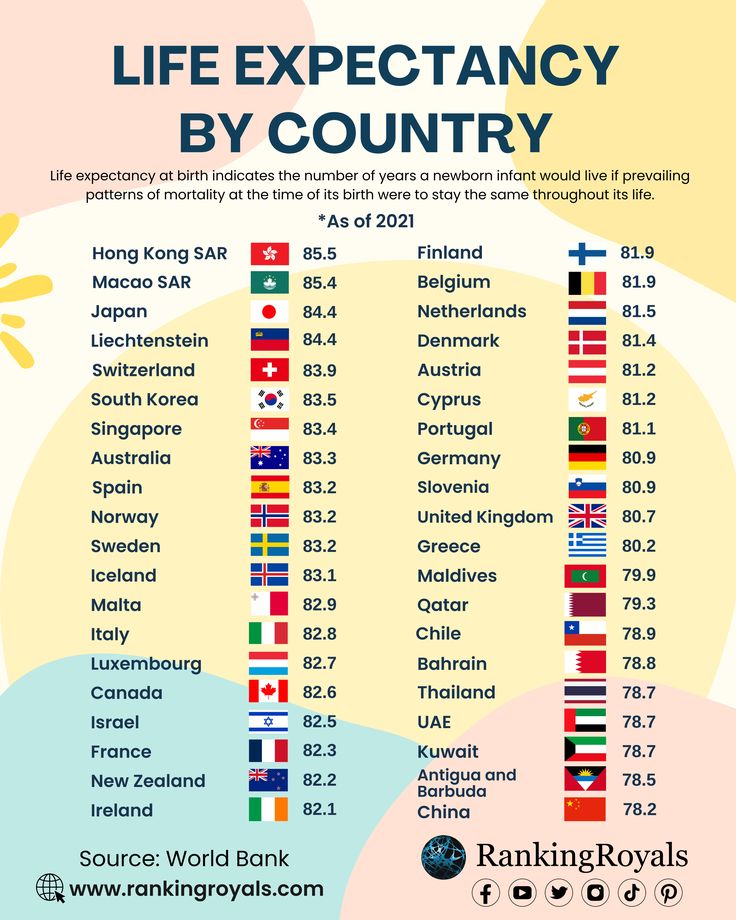
Life expectancy in Queensland, as of 2019, was 81.1 years for females and 79.1 years for males, according to the Australian Bureau of Statistics. These statistics are a reflection of the general health and wellbeing of Queenslanders, providing valuable insights into the factors that influence our lives and give us a sense of the future trends we might expect to see.


However, it's important to note that life expectancy varies significantly across the state, with rural and remote areas often lagging behind their metropolitan counterparts. Understanding these variations is crucial for targeted policy interventions aimed at improving quality of life for all Queenslanders.
Regional Disparities in Queensland's Life Expectancy
Urban-rural disparities in life expectancy are not uncommon, and Queensland is no exception. The most substantial life expectancy gap in the state is found between the Brisbane statistical division (82.0 years for females and 80.0 years for males) and the Far North Queensland statistical division (76.2 years for females and 73.1 years for males).


Several factors contribute to these disparities, including socioeconomic indicators, access to healthcare services, and lifestyle choices. Remote and underserviced communities often face higher rates of chronic disease, lower life expectancy, and limited access to healthcare, education, and employment opportunities.
Socioeconomic Factors Influencing Life Expectancy
Socioeconomic status is a strong predictor of health outcomes and life expectancy. In Queensland, individuals living in disadvantage typically experience poorer health and shorter lifespans. According to the Australian Institute of Health and Welfare, the most disadvantaged quintile of the population can expect to live up to seven years less than the most advantaged quintile.
Addressing these socioeconomic disparities requires targeted policies aimed at improving access to healthcare, education, and employment opportunities, as well as reducing inequality and social exclusion. By investing in prevention and early intervention strategies, we can improve the health and wellbeing of all Queenslanders, regardless of their socioeconomic background.


Key Health Indicators and Life Expectancy in Queensland
Life expectancy is influenced by a range of health indicators, including smoking rates, alcohol consumption, obesity, and chronic disease prevalence. Let's explore how these factors contribute to life expectancy in Queensland.
Queensland's health indicators, while generally good, demonstrate areas for improvement. For instance, while smoking rates have been declining, they remain higher than the national average, particularly among low-income earners and rural residents. Similarly, obesity rates are above the national average, with around 60% of Queenslanders considered overweight or obese.
Smoking and Life Expectancy in Queensland
Smoking is a significant risk factor for numerous health conditions, including cancer, heart disease, and respiratory illnesses. In Queensland, around 15% of adults smoke, with higher prevalence among younger age groups and certain demographic groups. Smoking-related diseases account for a substantial proportion of the burden of disease and can significantly reduce life expectancy.


To improve life expectancy, Queensland has implemented various tobacco control measures, such as smoke-free environments, plain packaging, and quit-smoking support programs. Encouragingly, some regions have seen significant reductions in smoking rates, highlighting the potential impact of targeted public health interventions.
Obesity and Life Expectancy in Queensland
Obesity is another key health indicator that influences life expectancy. In Queensland, around 60% of adults are overweight or obese, with higher prevalence among women, individuals aged 55-74, and those living in remote and very remote areas. Obesity is a risk factor for numerous chronic diseases, including cardiovascular diseases, type 2 diabetes, and certain cancers.
Addressing obesity requires a multifaceted approach, targeting both individual lifestyle choices and the wider environment. Initiatives such as Queensland's Obesity Prevention and Management Plan aim to create supportive environments that promote physical activity, healthy eating, and improved overall wellbeing, thereby enhancing life expectancy for all Queenslanders.
In conclusion, Queensland's life expectancy is a complex and multifaceted issue, influenced by a range of environmental, socioeconomic, and health-related factors. By understanding and addressing these determinants, we can work towards improving the health and wellbeing of all Queenslanders, regardless of their location or background. Through targeted policy interventions, informed decision-making, and community engagement, we can strive for a healthier, happier, and longer-living Queensland. So, let's embrace the challenge and work together to create a brighter future for all."
Related Articles

Boost Your Life Expectancy: Unveiling Queensland's Longevity Secrets
Embarking on an exploration of Queensland's lifespan, one quickly finds a tapestry of interconnected environments and inhabitants that have weathered the test...

"Boosting Tabby Cat Lifespan: Average Life Expectancy & Care Tips"
Did you know that indoor tabby cats can enjoy a significantly longer life than their outdoor counterparts? Let's delve into the fascinating world of indoor...

Boost Life Expectancy: Caring for Queensland Heelers in 2023
The Queensland Heeler, often simply called the Australian Cattle Dog, is a breed known for its intelligence, alertness, and high energy levels. Naturally...

Does Having a Pet Boost Your Longevity?
Embarking on the journey of pet ownership often incurs a multitude of benefits that transcend the realms of daily companionship and unconditional love. One...
Boost Your Lifespan: Unveiling Life Expectancy in Queensland, Australia
Life expectancy in Queensland, Australia, is a significant indicator of the state's healthcare system, quality of life, and social welfare. Understanding the...

Kansas City Life Expectancy: Boosting Years
Life expectancy in Kansas City, Missouri, has evolved significantly over the years, reflecting the city's growth, healthcare advancements, and changing...