Sage Green Background Images
In the ever-evolving landscape of graphic design and web development, color choices play a pivotal role in setting the tone and influencing user experience. Among the plethora of hues available, sage green background images have emerged as a popular choice, offering a balance of freshness, sophistication, and tranquility. Let's delve into the world of sage green background images, exploring their relevance, versatility, and best practices.
Sage green, a desaturated, earthy green, falls in the spectrum between olive and mint greens. Its muted tones, derived from the color of dried herbs, exude a certain rustic charm while maintaining a contemporary appeal. This soft, understated hue finds immense Utility in both residential and commercial design applications.
Understanding the Appeal of Sage Green Background Images
Sage green's understated elegance is a significant factor in its appeal. Unlike brighter, more vibrant greens, sage does not demand attention, allowing other design elements to take center stage. Instead, it provides a soothing backdrop that promotes visual harmony and balance.


Moreover, sage green's versatility makes it a universally applicable color. It can convey a sense of nature and growth in plant nurseries, exude tranquility in spas, or evoke sophistication in office spaces. Regardless of the application, sage green background images consistently deliver a polished, professional look.
Pairing Sage Green with Complementary Colors
One way to maximize the impact of sage green is by pairing it with complementary colors. For a vintage or rustic theme, consider earthy tones like terracotta, mustard yellow, or deep browns. Alternatively, for a more modern aesthetic, contrast sage green with crisp whites, blacks, or sleek grays. To infuse warmth, consider pairing sage green with soft pinks, peaches, or oranges.


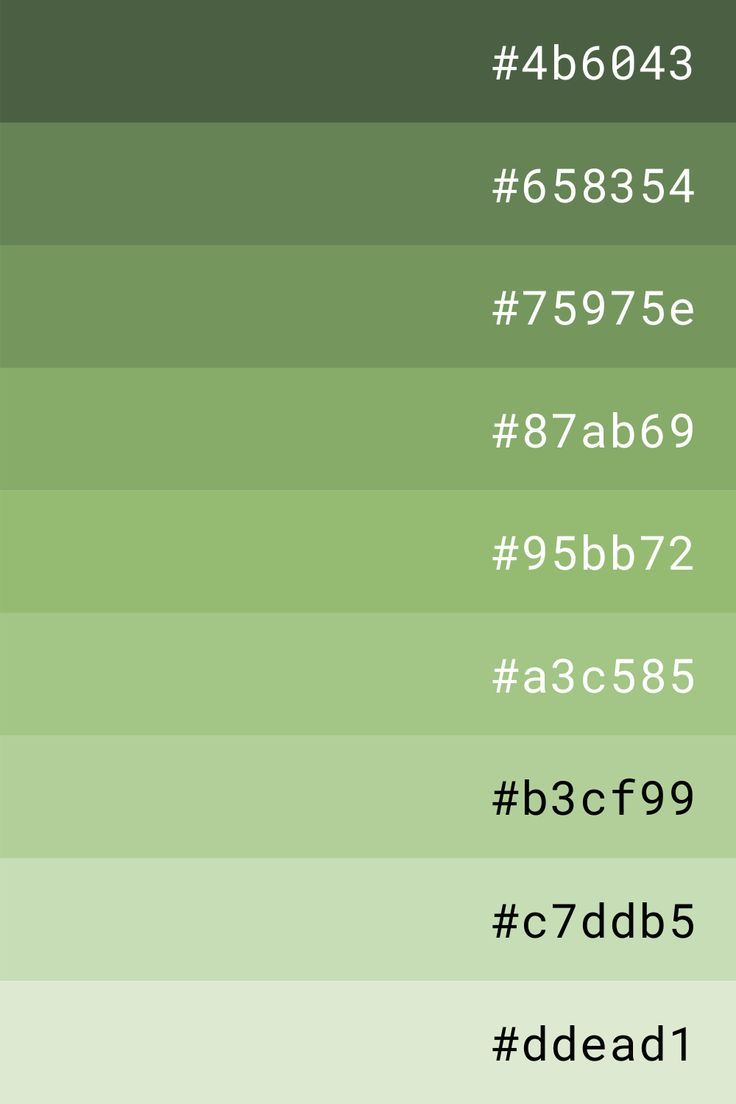
Monochromatic designs also work exceptionally well with sage green. Play around with different shades and tints to create depth and contrast in your design. For example, use a lighter sage green as a background and a deeper shade for text or accents.
Sage Green in Logo Design
Sage green's subtle nature makes it an excellent choice for logos. It can be employed as a primary color or used as an accent to complement a bolder logo design. In either case, sage green imparts a sense of clarity, professionalism, and approachability to the logo.
One of the primary advantages of using sage green in logos is its high contrast with both light and dark backgrounds. Whether used on a white business card or a dark website footer, sage green maintains its visibility and distinctiveness. It's also a color that lend itself well to minimalist design trends, where simplicity and clarity are paramount.


Best Practices for Using Sage Green Background Images
While sage green offers numerous design possibilities, there are some best practices to ensure its effective use. First, consider the size and resolution of your background images. Low-resolution images can appear pixelated or blurry, detracting from the overall aesthetic. Opt for high-quality images to maintain crispness and clarity.
Moreover, consider the purpose of your sage green background images. Are they meant to support the content or act as a visual focal point? The answer to this question will guide your selection and placement of images. For example, you might choose a subtle sage green gradient for a informative website, but a high-contrast sage green image of nature for a relaxation app.
Optimizing Sage Green Background Images for Web Use
In web design, the performance of a website is as crucial as its aesthetics. Therefore, it's essential to optimize sage green background images for faster load times. Techniques such as image compression, lazy loading, and Next-Gen formats like WebP can significantly improve your website's performance.


Additionally, consider the color's purpose in the digital space. In some cases, sage green may be too subtle and blend into the background, making text or other visual elements difficult to discern. In such cases, consider using subtle textures or gradients to enhance contrast and improve readability.
In conclusion, sage green background images offer a wealth of design possibilities. Whether you're designing a logo, choosing a color palette, or selecting background images, sage green's versatility, subtlety, and versatility ensure it remains a favored choice among graphic designers and web developers alike. By understanding its appeal and best practices for use, you can harness the power of sage green to create stunning, functional, and user-friendly designs."
Related Articles
Sage Green Background Ideas: 15 Stunning Designs for Your Home
When it comes to creating a soothing and inviting atmosphere, a sag green background is an excellent choice. This calming color not only evokes feelings of...

All Green Background Images
Immersing your visual content in a blanket of green can be a powerful way to create harmony, convey tranquility, and engage your audience. All green background...

Green Screen Background Color Code: The Perfect Shade
In the realm of visual effects and video production, the green screen technique is a staple, enabling filmmakers and content creators to transport their...
Green Background Hex Code
The vibrant color green, often associated with nature and growth, has its own unique place in the digital world, particularly in the realm of website design...

"Best Couch Colors for Sage Green Walls"
Imagine this: you've recently moved into a new space, and you're eager to add a touch of nature to your decor with sage green walls. Now, you're on the hunt...

Dark Green Background Code
A dark green background can add a sense of sophistication and elegance to your web design, making it an appealing choice for various applications. But how do...