What to Do: Found a Dead Bird in New Zealand
Discovering a dead bird can be distressing, but it's important to know what to do next. In New Zealand, there are guidelines to protect both the environment and yourself. Let's explore the right steps to take.
Remember, it's essential to prioritize safety and legal protocols. The information provided here is intended for typical cases where a wild bird has died. If the bird is injured or in distress, contact a local wildlife rescue or vet immediately.
Safety First: Protect Yourself and the Environment
)))


Assess the Situation
Before approaching the bird, assess the scene. It's crucial to ensure the bird is indeed dead and there are no predators nearby. Also, consider if the bird could be a threat to public health, such as in the case of an oil or chemical spill.
Check if there are any nearby hazards, like traffic or sharp objects. If the bird is in water, use a long object like a rake or pole to carefully retrieve it to avoid entering the water yourself.


Protect Yourself
Wear gloves to handle the bird and avoid bodily contact. If you have any cuts or wounds, consider wearing a barrier, like a small trash bag over your hand, to prevent infection. For infectious diseases like avian flu, it's recommended to wear a mask and goggles.
After handling the bird, clean your hands thoroughly with soap and water. If you've come into contact with feathers or droppings, wash your clothes separately.
Identify and Report the Bird
)))


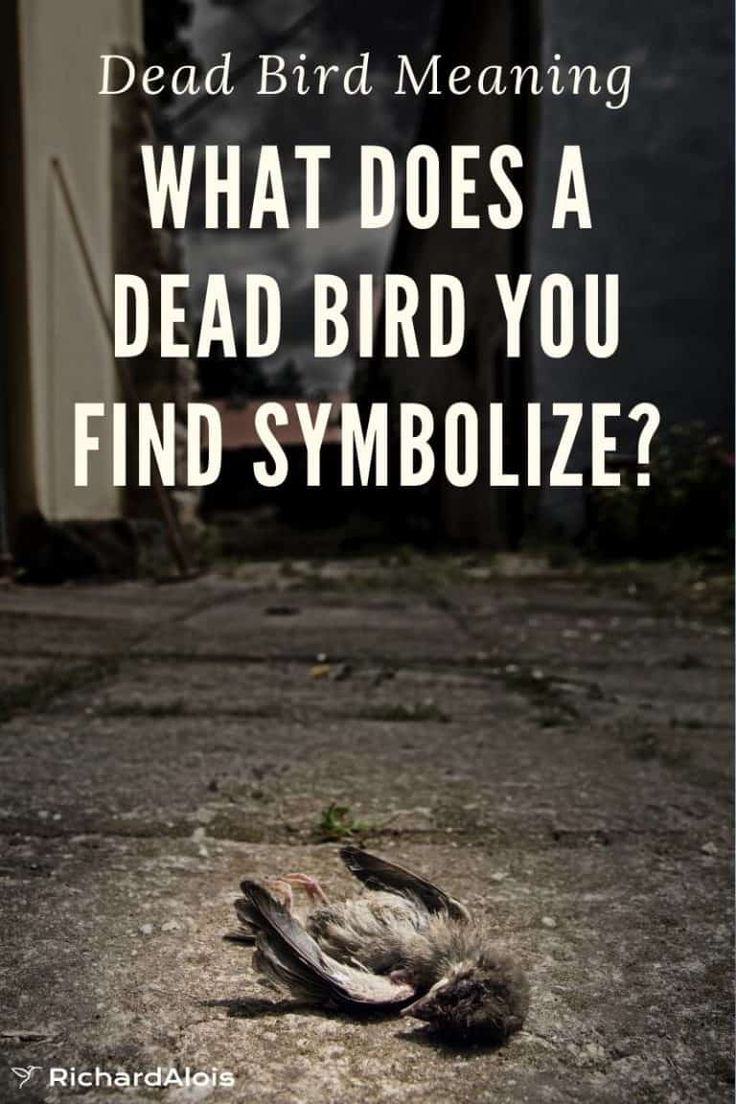


Identification
Try to identify the bird using a local wildlife guide or by taking a photo and using an online identification tool. This information can be useful for conservation and disease monitoring efforts.
In New Zealand, the Department of Conservation (DOC) maintains a list of threatened species. If the bird is one of these, or you suspect it might be, contact DOC immediately.
Report the Bird
Regardless of whether the bird is threatened or common, it can be beneficial to report it. This can help track bird populations and detect diseases or environmental issues early.


In New Zealand, you can use the Conservation Services programme's "Wildlife Health" form to report the bird. Alternatively, contact your local DOC office or the Ministry for Primary Industries (MPI) if you suspect a notifiable exotic pest or disease.
Disposal Methods
)))
Single Bird
If you've found an isolated, deceased bird, it's generally safe to dispose of it in your household waste. Make sure to double-bag it in plastic bags to prevent any leakage or odors.
However, if the bird is large, such as a seagull or pukeko, or was found in a public place, contact your local council for advice. They might have specific guidelines for disposal in your area.
Multiple Birds or Mass die-off
If you've found several dead birds, or a mass die-off, it's crucial not to disturb the scene. Contact your local council, MPI, or DOC immediately. They can provide specialist advice and may need to conduct tests.
In some cases, a mass die-off could be an indication of a serious disease outbreak or environmental issue. Timely reporting can help prevent further spread and potential damage.
Special Considerations
Some birds, like those protected under the Wildlife Act 1953 or Taranaki Regional Policy Statement, have specific disposal requirements. Always check local regulations before disposing of a dead bird.
Remember, the final decision on disposal ultimately rests with your local council. If in doubt, always err on the side of caution and seek their advice.
Prevent Future Incidents
)))
Pest Control
Regularly check your property for signs of predators, such as rats or stoats, which can prey on bird nests. Use appropriate pest control methods to keep these numbers down and provide a safer environment for birds.
If you're unsure about what methods to use, consult a local pest control expert or your local council for advice.
Habitat Creation
Creating suitable habitat can attract and support bird life. In New Zealand, consider planting native trees and shrubs that provide berries and shelter for birds. You can also install birdhouses or nesting boxes.
DOC has resources on creating habitat for threatened and common bird species. It's a rewarding way to support local bird life and deduction for creating native vegetation can also offer tax benefits.
Encountering a dead bird can be surprising, but understanding what to do next puts you in a position to help the environment and local wildlife. Every report and action counts in protecting New Zealand's unique biodiversity. So, the next time you find a dead bird, remember the steps above and play your part in keeping our bird life thriving."
Related Articles

Caring for an Injured Bird: Expert Steps If You Find One
Imagine discovering an injured bird, its wings drooping, feathers ruffled, twittering softly in distress. It's an unfamiliar, vulnerable situation that might...

What to Do When You Find a Dead Animal in Your Yard
Discovering a dead animal in your yard can be an unsettling experience. It's crucial to approach this situation with care, not just for your emotional...
What to Do If You Find a Dead Bird in the UK
If you're fortunate enough to have birds in your garden, you might occasionally discover a dead bird in your outdoor space. For your own wellbeing and the...

What to Do When You Find a Dead Squirrel in Your Backyard
Finding a dead squirrel in your backyard can be distressing, but it's not uncommon. Squirrels are prolific in many urban and rural areas, and their lifespans...

Caring for Injured Birds: What to Do if You Find a Stressed or Hurt Bird in Your Backyard
Discovering an injured bird in your backyard can be distressing, but it's crucial to know how to help. Birds play a vital role in maintaining our ecosystems...

What to Do When You Find a Baby Bunny in Your Yard
Found a tiny baby bunny in your yard? Here's how to safely handle this delicate situation. Rabbits can be a common sight in many backyards, and occasionally...