What To Do If You Find A Dead Bird
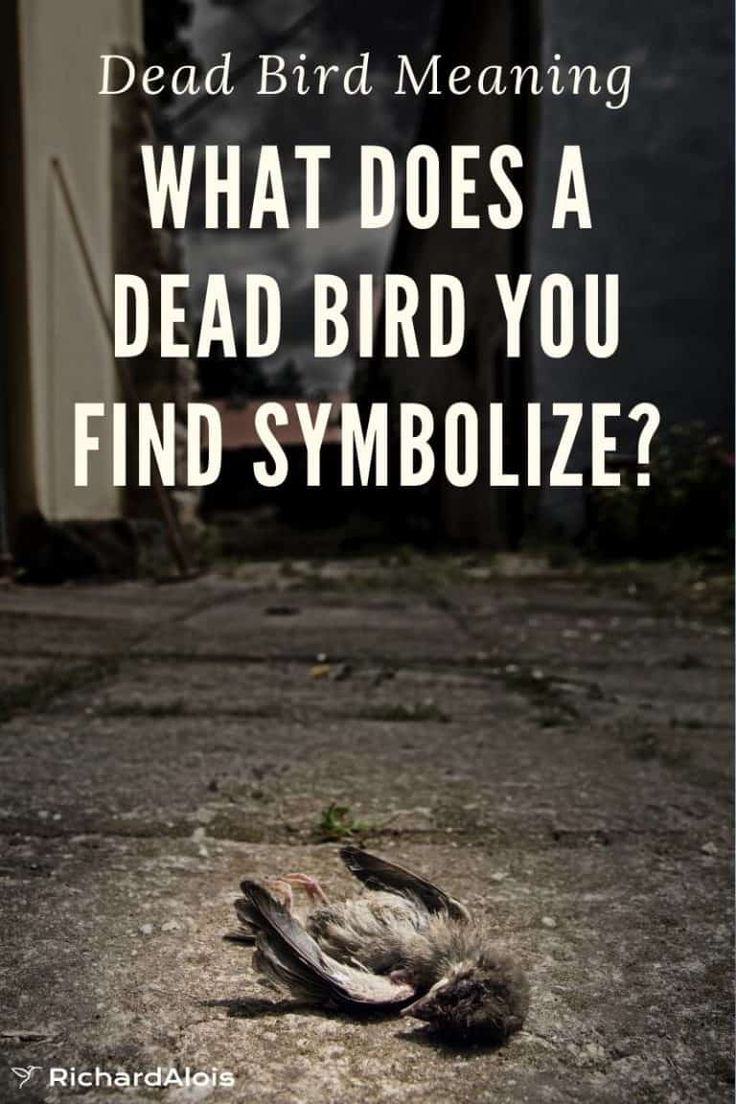
Discovering a dead bird in your garden or on a nature trail can be an unsettling experience. It's natural to feel upset or curious about what has happened. Before you decide to handle the situation, it's crucial to understand the best ways to proceed that prioritize your safety and the preservation of any important ecological information.
Birds can die from a variety of causes, from natural deaths to collisions with windows or vehicles, or even from disease. Sometimes, finding a dead bird can provide valuable insights into local wildlife health and environmental conditions. However, it's essential to remember that if a bird is carrying a disease like West Nile virus or avian flu, it can potentially transmit these pathogens to humans and other animals. Thus, precautions must be taken when disposing of the remains.
Approaching the Dead Bird Safely
When you find a dead bird, your first instinct might be to examine it closely. Nevertheless, it's vital to exercise caution to protect both your health and the bird's integrity.


Before handling the bird, put on disposable gloves to protect your hands. A biohazard bag or a sturdy plastic bag can be used to contain the bird. If you're planning to dispose of the remains at home, place the bag in a sealed container for further precautions. If you're out, look for nearby waste management services or a local vet to dispose of the bird safely.
Handling the Bird in the Open Air
If you're handling the bird outdoors, be mindful of your surrounding. Try to pick the bird up in an area that isn't frequented by other wildlife or pets. This will help minimize the risk of spreading any potential pathogens.


Try to avoid touching the bird directly. Instead, use a shovel or a long-handled araştick to move it into your bag or container. If you decide to use your hands, always remember to throw the gloves away and wash your hands thoroughly with soap and water after disposing of the bird.
Handling the Bird Indoors
If you need to handle the bird indoors, make sure your household is clear of pets and other people. Keep all windows and doors closed to prevent disturbing the bird's remains and spreading any potential contaminants.
It's best to use a sturdy container to hold the bird, such as a cardboard box or a plastic bin. After removing the bird, thoroughly clean your collection vessel and the surrounding area using a cleaning solution designed to kill germs.


Identifying the Bird and Reporting the Find
Many organizations and agencies are interested in learning more about dead birds found in your area. This information can contribute significantly to local bird populations, disease trends, and ecosystem health research. Thus, it's worth reporting your discovery if you're not disposing of the bird.
Before reporting, try to identify the bird using online resources, field guides, or by asking experts at local wildlife centers. Knowing the species of the bird can help researchers understand patterns, making your report more valuable.
Reporting to LocalAuthorities
Contact your local health department, wildlife rehab center, orEnvironmental Control Agency to report a dead bird. They can provide information on local protocols and disposal procedures.



In the US, you can also report the find to the U.S. Fish and Wildlife Service through their toll-free hotline at (800) 367-5227 or submit a report online. They accept reports of dead birds in the US and Canada, including those that may have been oiled or impacted by chemicals.
Reporting to Research Institutions
As mentioned before, dead birds can provide valuable data for wildlife research. You might want to report your discovery to institutions conducting wildlife studies in your area, such as universities or bird conservation centers.
For example, you can report to Cornell University's Laboratory of Ornithology or the University of California's Institute for Interdisciplinary Birds Sciences for your ecological observations. Both resources provide details on how to report dead birds they are studying in specific regions.
In the end, finding a dead bird doesn't need to be a distressing event. By understanding the appropriate procedures for handling and disposing of the remains, you can contribute to preserving the delicate balance of nature and protecting your own health. Remember, it's always crucial to report your finding to local authorities and research institutions to aid in wildlife and ecosystem studies.
Related Articles
What to Do If You Find a Dead Bird in the UK
If you're fortunate enough to have birds in your garden, you might occasionally discover a dead bird in your outdoor space. For your own wellbeing and the...

Caring for an Injured Bird: Expert Steps If You Find One
Imagine discovering an injured bird, its wings drooping, feathers ruffled, twittering softly in distress. It's an unfamiliar, vulnerable situation that might...

What to Do When You Find a Dead Squirrel in Your Backyard
Finding a dead squirrel in your backyard can be distressing, but it's not uncommon. Squirrels are prolific in many urban and rural areas, and their lifespans...

Caring for Injured Birds: What to Do if You Find a Stressed or Hurt Bird in Your Backyard
Discovering an injured bird in your backyard can be distressing, but it's crucial to know how to help. Birds play a vital role in maintaining our ecosystems...

What to Do When You Find a Dead Animal in Your Yard
Discovering a dead animal in your yard can be an unsettling experience. It's crucial to approach this situation with care, not just for your emotional...
What to Do When You Find an Injured Bird in Australia
Discovering an injured bird in Australia can be distressing, but it's important to know how to handle the situation to ensure the best possible outcome for the...