Evolving Life Expectancy in Australia: A Timeline
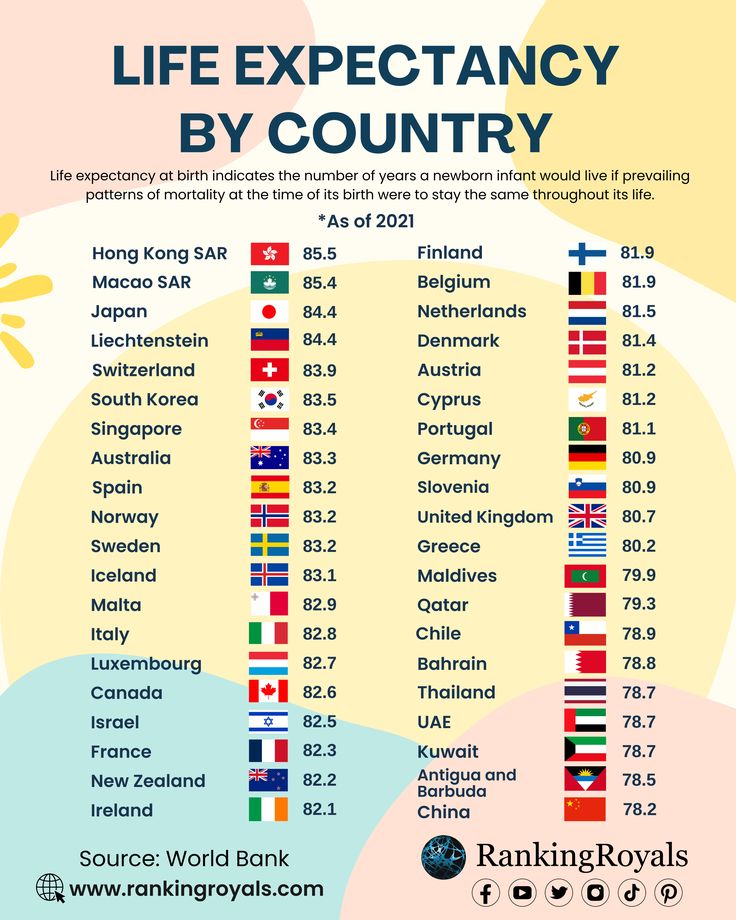
Australia, a nation renowned for its radiant lifestyle and first-world healthcare, has witnessed a notable increase in life expectancy over the past century. As of 2020, Australians can expect to live up to 82.5 years, according to the Australian Bureau of Statistics, placing the country within the global top 10 for average lifespan. This remarkable figure is a testament to the nation's robust healthcare system, socio-economic progress, and overall quality of life. But how did Australia achieve this milestone? Let's delve into the evolution of life expectancy in Australia, exploring the key factors and trends that have shaped this facet of the country's history.
Spanning over a century, Australia's life expectancy story is one of steady progress, punctuated by periods of rapid improvement. In the early 20th century, Australians could expect to live only into their late 50s, with significant disparities between the genders - men lived to 59.5 years, while women could expect to reach 62.5 years. This disparity is not uncommon historically, given women's longer life expectancy due to their biology and lower exposure to hazardous occupations. Despite the modest initial figures, the trajectory was set for improvement, primarily driven by advancements in medicine, a robust economy, and evolving socio-cultural practices.
Progressive Healthcare and Medical Innovation
Australia's dedication to healthcare has been a driving force behind the nation's enhanced life expectancy. The universal healthcare system, Medicare, introduced in 1984, has made significant strides in ensuring equitable access to medical services and improving health outcomes. Before Medicare, out-of-pocket expenses significantly burdened many Australians, limiting access to health services and contributing to health disparities. Post-Medicare, access to preventive care, timely treatment, and management of chronic conditions have improved, leading to better health outcomes and increased life expectancy.


The nation's commitment to medical research and innovation has also played a pivotal role. Australian scientists and clinicians have contributed to global medical breakthroughs, such as the development of the spray-on skin replacement and successful lung cancer surgery techniques. These advancements, coupled with the adoption of international healthcare best practices, have significantly enhanced the nation's capacity to detect, treat, and manage diseases, thus extending life expectancy.
Infection Control and Vaccination Programs
Effective infectious disease control and vaccination programs have been instrumental in increasing Australian life expectancy. In the early 20th century, infectious diseases like tuberculosis, polio, and measles were leading causes of death. However, the introduction of vaccination programs and improved hygiene practices has dramatically reduced the infectious disease burden, accounting for a sizable increase in life expectancy.


A prime example is the success of the national immunisation program, initiated in the 1930s and expanded in the 1960s. Today, Australia's high immunisation rates - consistently above 90% - have led to the eradication of polio, near-elimination of measles, and significant reduction in cases of other vaccine-preventable diseases. This success story illustrates the critical role of vaccination programs in enhancing population health and life expectancy.
Non-communicable Disease Prevention and Management
While infectious diseases have seen a dramatic decline, non-communicable diseases (NCDs) like heart disease, diabetes, and cancer have emerged as the leading causes of mortality in Australia. The nation's response to this global health challenge has seen a shift in health policy, focusing on prevention and management strategies aimed at reducing NCD risk factors. Initiatives like the Healthy Community Program and the national campaigns Sugar By Half and Go For Your Life have been instrumental in promoting healthier lifestyles, curbing obesity, and reducing alcohol and tobacco consumption, thus preventing many premature deaths.
The Australian health system's approach to NCD management has also evolved, prioritising early detection, comprehensive treatment, and multidimensional care. This focus on integrated care, involving both medical and allied health professionals, has improved outcomes and increased life expectancy for patients with NCDs.


Socio-economic Development and Life Expectancy
Australia's socio-economic progress and welfare policies have also significantly influenced life expectancy. Improvements in living standards, education, and income have contributed to a healthier population, with associated increases in life expectancy. According to the Australian Council of Social Service, the introduction of the age pension in 1908 and the expansion of other welfare payments have reduced poverty rates, improved the living conditions of vulnerable populations, and contributed to a more than 20-year increase in life expectancy for both men and women since 1907.
The nation's progress in addressing health inequalities and improving the well-being of Indigenous Australians is another significant socio-economic factor. Historically, Indigenous Australians experienced significantly shorter lifespans, with a life expectancy gap of more than 10 years compared to non-Indigenous Australians in the 1960s. Targeted health programs, improved living conditions, and self-determination collaborations have helped to narrow this gap - as of 2016, the difference was reduced to approximately 7 years. However, while the trends are positive, there's still significant work required to eliminate health inequalities and achieve health equality for Indigenous Australians.
Closing the Gap in Indigenous Health
The Close the Gap initiative by the Australian Government is a key strategy aimed at reducing health inequalities between Indigenous and non-Indigenous Australians. Launched in 2007, the initiative focuses on improving maternal health, child health, access to early childhood education, school attendance, literacy, and employment opportunities for Indigenous Australians. These socio-economic factors, as well as targeted health interventions, collectively contribute to improving life expectancy for Indigenous Australians.




By addressing systemic barriers, investing in health and education, and collaborating with Indigenous communities, the Close the Gap initiative has demonstrated promising results. The life expectancy gap between Indigenous and non-Indigenous males narrowed by 5.4 years from 2005 to 2019, while for females, it narrowed by 6.8 years. Despite these encouraging trends, sustained effort and investment are crucial to achieving health equity and eliminating the health gap once and for all.
In the final analysis, Australia's life expectancy trajectory reflects the nation's dedication to healthcare, responsive health policies, and ongoing socio-economic development. As we look to the future, the focus should be on sustaining and accelerating this progress, particularly for vulnerable populations. This means continued investment in preventive health measures, innovative care approaches, and strategies that address health inequalities, ensuring all Australians have the opportunity to live fulfilling, healthy lives. By learning from the past and embracing a future-focused approach, Australia remains well-placed to continue elevating its status as one of the world's healthiest nations.
Related Articles
Maximize Life: Australia's Life Expectancy Secrets
From the land of sunshine and beaches to the bustling cities and sprawling outback, Australia, the world's largest island continent, boasts an incredibly...
Life Expectancy by State: Australia
Australia, a land of vastographical and cultural diversity, also boasts a varied landscape of health and longevity. Life expectancy, a crucial indicator of a...
Boost Your Lifespan: Unveiling Life Expectancy in Queensland, Australia
Life expectancy in Queensland, Australia, is a significant indicator of the state's healthcare system, quality of life, and social welfare. Understanding the...
Maximize Your Lifespan: Life Expectancy & Brisbane's Secret
Life expectancy in Brisbane, Australia, has been steadily increasing over the years, reflecting the high-quality healthcare services, safe environment, and...

Indoor Cat Lifespan:
As a pet parent, you likely wonder about the life expectancy of your indoor cat. After all, understanding how long you'll have by your feline friend's side can...

"Tim экипатый Eugenio ng Pagsasarili"
In our fast-paced world, it's easy to get caught up in the daily grind and forget to pause and enjoy life. But as the Tagalog saying goes, "Ang Mundo ay...