Decoding Green: Binary Code Backgrounds
A green binary code background, while seemingly unusual, can be a striking choice for web design, offering a modern, eco-friendly aesthetic with a touch of coding flair. By combining the simplicity of binary code (0s and 1s) with the vibrancy of green, web developers and designers are breaking away from traditional norms, creating visually engaging and technologically relevant designs.
The 'green' in green binary code background refers to the color, not the environmental impact. However, its use can subtly convey a sense of sustainability and eco-friendliness. But what makes this background truly stand out is the binary code integration. Let's delve into the nuances of this unique design concept.
Understanding Binary Code Backgrounds
Binary code is the foundation of digital information. It's a number system with two digits (0 and 1), representing low and high electrical states or on/off positions in computers. In a binary code background, 0s and 1s are typically represented by black and white, or alternatively, by shades of greys. Green binary code backgrounds, however, ditch the monochrome, introducing a splash of color.


In a green binary code background, 0s may be represented by light green, while 1s might be represented by a darker shade. This creates contrast and visual interest, enhancing the overall aesthetic of the website while subtly referencing its technological foundation.
The Role of Contrast in Green Binary Code Backgrounds
Contrast is a crucial aspect of green binary code backgrounds. It's what makes the binary code readable and the design visually appealing. To achieve maximum contrast, green shades are often paired with black, dark blue, or deep purple for the background. This makes the binary code stand out, drawing the viewer's eye to the focal point of the design.


High contrast is also beneficial for accessibility. It helps users with visual impairments better discern the binary code, ensuring a more inclusive design.
Using Transparency for a Modern Aesthetic
Another unique aspect of green binary code backgrounds is their potential for using transparency. By employing semi-transparent greens, the binary code can appear to 'float' over the background, creating a modern, dynamic effect. This technique works particularly well when the background is a solid color, such as black or dark green.
Transparency can also provide a sense of depth, making the design feel more three-dimensional. This can be particularly effective in overlaying the binary code on images or video, creating a striking design element.


The Inspiration Behind Green Binary Code Backgrounds
Green binary code backgrounds are inspired by the intersection of technology and design. They reflect the current trend of incorporating coding elements into web design, a style known as 'coder aesthetic' or 'glitch art.' This trend celebrates the beauty and complexity of computer code, showing that technology doesn't have to be cold or clinical.
Green binary code backgrounds also draw inspiration from the 'green screen' concept used in video production. Traditionally, a green screen is used as a background to easier replace it with something else. In this context, the 'green' isn't just a color, but a nod to this production technique.
Integration with Other Elements
Green binary code backgrounds can be integrated with other design elements to create a cohesive, visually stunning website. For instance, binary code can be used as a repeating pattern in tiles or as a background for text. It can also be incorporated into the design of buttons, icons, or navigation menus.


Furthermore, the green theme can be reinforced elsewhere in the design, such as in color schemes for text, buttons, or images. This helps maintain visual harmony and reinforces the overall design concept.
Responsive Design and Accessibility
Regardless of the complexity of the design, it's crucial that the background remains functional and accessible on all devices. This means usingbijfraccepts like relative units for sizing, maintaining adequate color contrast, and incorporating clear, alt text for images.
For green binary code backgrounds, this could involve increasing the size of the binary code on smaller screens to ensure readability. It might also involve providing a text-only version of the code alongside the visual representation, to make it accessible to visually impaired users.
In conclusion, a green binary code background adds a unique, visually striking element to any website. By incorporating binary code into web design, we're not just creating a modern aesthetic, but celebrating the technological roots of digital media. As the demand for distinctive, tech-savvy web designs continues to grow, we can expect to see more innovative uses of binary code, and green backgrounds, in the future. So, why not embrace the trend and make coding the cornerstone of your next web design project?
Related Articles

Green Screen Background Color Code: The Perfect Shade
In the realm of visual effects and video production, the green screen technique is a staple, enabling filmmakers and content creators to transport their...
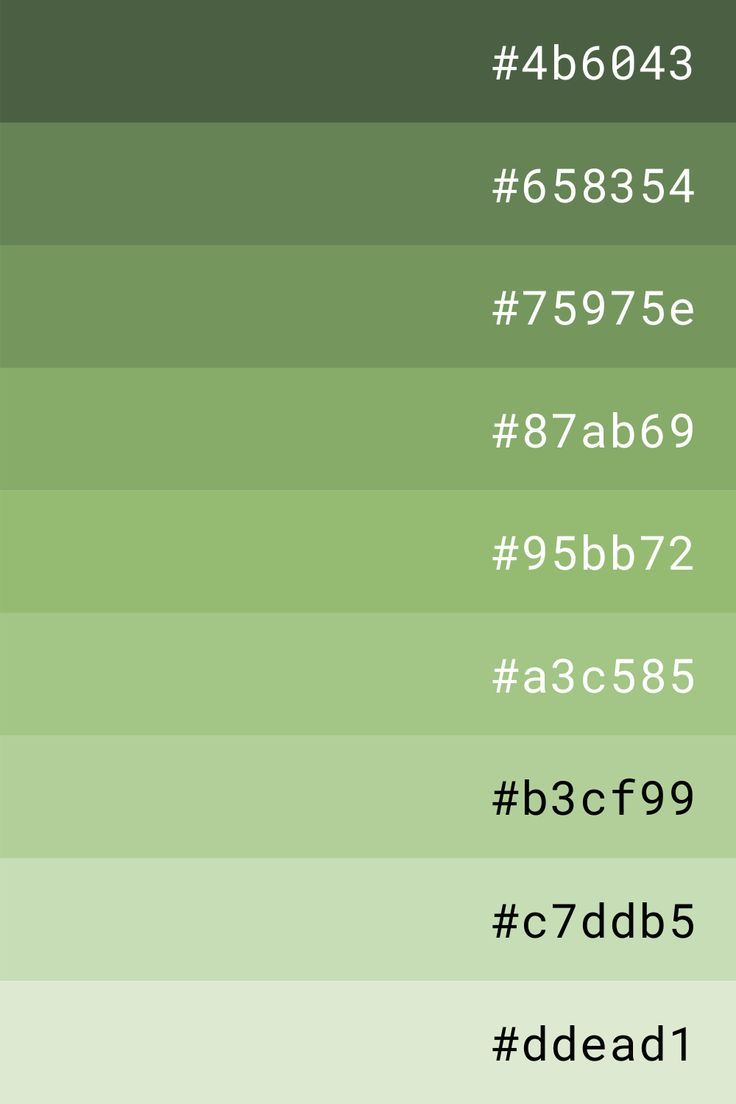
Green Background Hex Code
The vibrant color green, often associated with nature and growth, has its own unique place in the digital world, particularly in the realm of website design...
Dark Green Background Code
A dark green background can add a sense of sophistication and elegance to your web design, making it an appealing choice for various applications. But how do...

All Green Backgrounds
Embarking on a journey into the world of design, have you ever found yourself captivated by the alluring simplicity yet profound impact of an all green...
Light Green Background Code
Ever desired to add a certain touch of nature to your design projects? A light green background might just do the trick. Not only does it evoke a sense of...
Green Screen Background Hex Code
Ever needed to replace a complex background with a solid color in editing? Meet the versatile Green Screen Hex Code , your key to user-friendly color...