Understanding the Turning Chain in Single Crochet
The turning chain, often abbreviated as TC or tch, is a fundamental element in many crochet patterns. It's a simple series of chains thatediation occurs between the completion of a round and the start of the next, allowing crocheters to smoothly transition from one circular round to another. In single crochet projects, understanding and correctly executing the turning chain is essential as it determines the height of your stitches and the overall symmetry of your fabric.
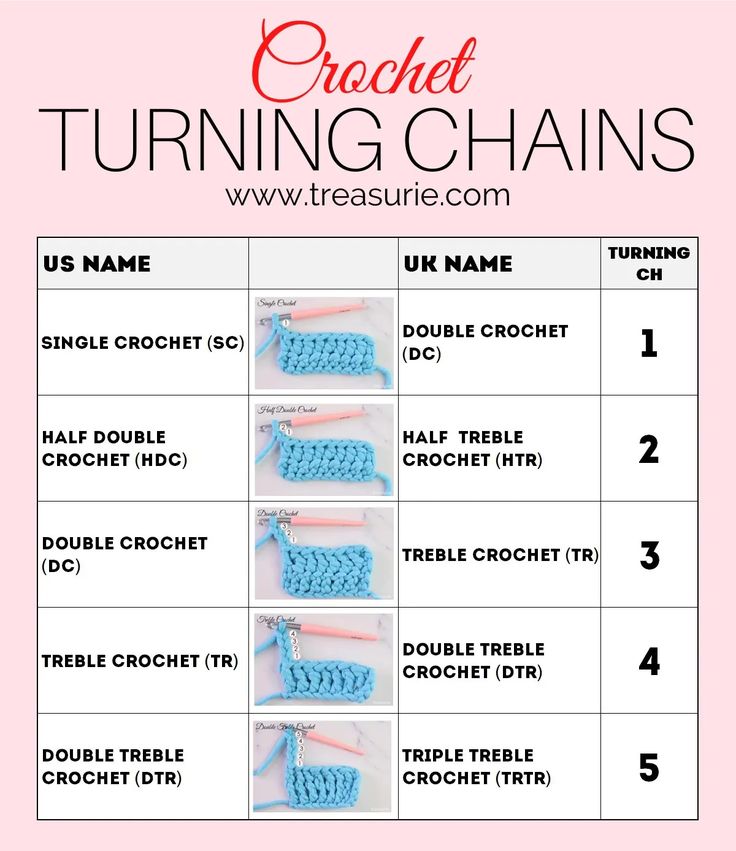
In single crochet (sc), the turning chain usually consists of one chain (ch) that stands for the height of one stitch. However, the number and purpose of the turning chain can vary depending on the specific pattern or the desired effect. For instance, some patterns may require two chains to elevate stitches, while others might call for a different chain count to adjust the height.
Understanding the Turning Chain in Single Crochet
The primary role of the turning chain in single crochet is to prepare the next round of stitches. By creating a chain that substitutes for the height of the first stitch, it allows you to maintain a consistent tension and smooth appearance in your work. Essentially, it 'turns' your work, enabling you to continue working in a circular or spiral fashion.


Conceptually, the turning chain serves as a placeholder for the first stitch in the next round. When you complete the final stitch of a round and make your turning chain, you're essentially starting the next round from the top. This ensures that your stitches stack evenly and prevents your work from becoming warped or twisted.
The Importance of Consistency
Consistency is key when it comes to the turning chain. Each chain should be the same height as your regular stitches to ensure a consistent look and tension throughout your project. Inconsistencies in the turning chain can lead to puckering or unevenness in your fabric, so it's crucial to maintain a steady tension and trust your pattern's instructions.


If you're unsure about the chain height or tension, practice making your turning chain separately before incorporating it into your project. This will help you establish a consistent rhythm and confidence in your turning chain technique.
Adapting the Turning Chain
As mentioned earlier, the turning chain can sometimes be adjusted to achieve specific effects or to accommodate different stitch heights. For example, adding an extra chain can create taller stitches, which can be useful in patterns that require a taller stitch height, such as lace or textured stitches.
Conversely, reducing the chain height can create shorter stitches, which can help to balance out fabrics that naturally create tall stitches, like popcorns or bobbles. Always follow the guidelines provided in your pattern, adjusting your turning chain as instructed to achieve the desired outcome.


The Turning Chain and Other Stitches
The turning chain is not exclusive to single crochet; it's a vital component in many other stitches and techniques. In double crochet (dc) and half-double crochet (hdc), the turning chain typically consists of one chain that substitutes for the height of two stitches. This is because these stitches are tall, and a single chain would not be sufficient to create a smooth transition between rounds.
Similarly, in patterns that involve knitting and purling, a slipknot or yarn over serves a comparable purpose to the turning chain. These techniques allow knitters to maintain a consistent tension and prepare for the next row, much like the turning chain in crochet.
Experimental Turning Chains
For creative crocheters looking to explore new techniques and effects, the turning chain can be an excellent place to start. By experimenting with different chain heights and numbers, you can create unique textures and patterns in your work.


Try incorporating varied turning chains into your projects to see what effects you can achieve. For example, alternating between normal turning chains and double turning chains (two chains) can create a wavy effect, while adding extra chains can create larger, looser stitches.
Remember, the most important aspect of the turning chain is consistency. By maintaining a consistent chain height and tension, you'll ensure that your turning chains blend seamlessly into your crochet work, creating smooth, even stitches and a beautiful finished project.
Happy crocheting! Now that you understand the turning chain in single crochet, you're ready to tackle even the most complex patterns with confidence. Don't be afraid to experiment with your turning chains and let your creativity flow. Who knows? You might just discover a new technique or effect that becomes your signature style.
Related Articles

Understanding Turning Chains in Crochet: A Beginner's Guide
Embarking on your crochet journey can be incredibly rewarding, but it's also packed with new terms and techniques to learn. One such term you might come across...

Understanding Single Chain Crochet: A Comprehensive Guide
Crochet, a versatile and ancient textile craft, is beloved by creators worldwide for its ability to transform yarn into intricate and functional pieces. At the...
Unraveling the Mystery: The Purpose of a Turning Chain in Crochet
The turning chain in crochet, often shortened to 'tc', serves a pivotal role in this beloved textile craft. But what exactly is its purpose, and why is it an...
Crochet Turning Chain Explained: What is it and How to Do it
Ever found yourself in the midst of a crochet project, grappling with a seemingly insurmountable grub of yarn? Fear not, for there's a simple, elegant solution...
Mastering Crochet: What is a Turning Chain & Why It's Essential
Embarking on a crochet venture? Whether you're a seasoned yarn whisperer or a curious novice, understanding the humble yet essential "turning chain" is a must...

Understanding Turnover in Supply Chain
In the dynamic world of supply chain management, the term "turnover" is often encountered. But what exactly is it, and why is it a crucial metric? Let's delve...