Unraveling the Mystery: The Purpose of a Turning Chain in Crochet
The turning chain in crochet, often shortened to 'tc', serves a pivotal role in this beloved textile craft. But what exactly is its purpose, and why is it an essential element in many crochet projects? Let's delve into the details and unravel the importance of this humble stitch.
The turning chain is essentially the link that binds one row or round of crochet to the next. It provides the necessary height to transition from one stitch to another without distorting the work or creating an awkward gap. But its role doesn't end there. It also serves as a foundation for new stitches, ensuring consistency and uniform appearance in your projects.
The Role of the Turning Chain in Continuity
The most fundamental purpose of the turning chain is to connect one row or round to the next, preventing the work from unraveling. When you reach the end of a row, the turning chain allows you to turn your work and begin a new row. It acts as a bridge, providing a stable base for new stitches and preventing the loosening of previously made stitches.


Without the turning chain, your crochet work might easily unravel or become distorted. It would also be difficult to maintain consistent tension and height, leading to visible gaps or tight, puckered stitches. In essence, the turning chain helps maintain the integrity and continuity of your crochet project.
The Height of the Turning Chain
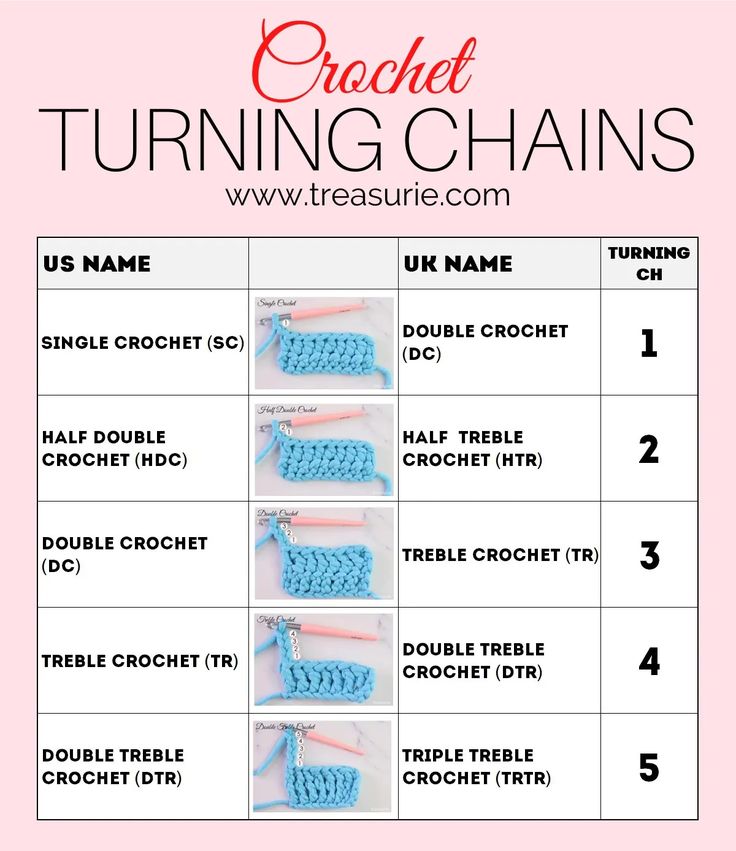
The height of the turning chain - the number of chains you make before turning your work - can vary depending on the stitch you're working with and the desired effect. For most projects, asingle chain is sufficient to provide the necessary height and prevent gaps. However, for certain stitches like the double crochet (dc) or half-double crochet (hdc), you may need to chain more than one to achieve the correct height.


For example, in a dc stitch, you typically need to chain one stitch to reach the desired height. In an hdc stitch, you might need to chain two to avoid distorting the stitches. Play around with different chain heights to see how they affect your stitches and overall project.
Types of Turning Chains
While the most common type of turning chain is simply a single or double chain, there are other variations that can be used depending on the desired result. One example is the 'chain-less turning', where you work an extra stitch in the turning to create a seamless transition between rows. This technique can help prevent gaps and create a more uniform appearance in your work.
Another variation is the 'foundation double crochet' (fdc) turning chain. This involves working into the first chain of the foundation to create a solid, sturdy base for your stitches. This technique is often used in projects that require a strong, durable foundation, such as blankets or doilies.


The Turning Chain as a Starter Stitch
The turning chain also serves as the starting point, or 'foundation', for many crochet stitches. By creating a chain of the necessary length, you can use it as the base for a new row or round of stitches. This is particularly useful in cases where you want to create a new edge or border, or when starting a new row or round of stitches in the middle of your project.
For example, when starting a new row of half-double crochet stitches, you would typically chain one stitch, then insert your hook into the fourth chain from the hook (counting the turning chain as the first stitch). This would then become your first stitch for the new row. From there, you would continue to work your stitches as usual.
How the Turning Chain Affects YOUR Stitches
The turning chain can significantly influence the appearance and structure of your stitches. For instance, if your chain is too tight or too loose, it can affect the height and width of your stitches, leading to distortions in your project. Similarly, if you don't secure your chain properly, it can lead to unraveling or a lack of tension in your stitches.


To achieve consistent, high-quality stitches, it's crucial to pay attention to your chain tension and ensure you're securing your chains correctly. Practice your chains regularly to develop a feel for the correct tension, and don't be afraid to adjust your chains as needed to achieve the desired effect in your stitches.
The Turning Chain in Edge Creations
The turning chain also plays a crucial role in creating edges in crochet. By manipulating the height and number of chains in your turning, you can create a variety of edges, from straight and simple to intricate and decorative. For example, a simple edge might involve chaining one stitch and working a series of slip stitches into the chain to create a neat, straight edge.
On the other hand, more decorative edges might involve working into the chain itself, creating a lacy or textured effect. Experiment with different chain heights and techniques to create the edges you want for your projects.
Understanding the purpose of the turning chain in crochet is a vital step in mastering this craft. It might seem like a small, insignificant stitch, but it plays a critical role in the structure, continuity, and appearance of your projects. So, the next time you reach the end of a row, give your turning chain a little extra love - it's doing some heavy lifting for your crochet work!
Related Articles

Understanding Turning Chains in Crochet: A Beginner's Guide
Embarking on your crochet journey can be incredibly rewarding, but it's also packed with new terms and techniques to learn. One such term you might come across...
Crochet Turning Chain Explained: What is it and How to Do it
Ever found yourself in the midst of a crochet project, grappling with a seemingly insurmountable grub of yarn? Fear not, for there's a simple, elegant solution...
Mastering Crochet: What is a Turning Chain & Why It's Essential
Embarking on a crochet venture? Whether you're a seasoned yarn whisperer or a curious novice, understanding the humble yet essential "turning chain" is a must...
Understanding the Turning Chain in Single Crochet
The turning chain, often abbreviated as TC or tch, is a fundamental element in many crochet patterns. It's a simple series of chains thatediation occurs...

What is Bramble: Unraveling the Thorny Mystery
When venturing into the realms of botany, one will inevitably encounter a diverse array of plant life, each with its unique characteristics. Among these, the...

Do You Crochet into the Turning Chain
When embarking on a crochet project, one of the most fundamental techniques you'll encounter is the turning chain. But the million-dollar question that often...