Crochet Turning Chain Explained: What is it and How to Do it
Ever found yourself in the midst of a crochet project, grappling with a seemingly insurmountable grub of yarn? Fear not, for there's a simple, elegant solution to this common conundrum: the turning chain.
A turning chain, also known as a chain turning or turning, is a series of foundation chains used to change a crochet's direction. It's akin to a lifeline, rescuing your work from the labyrinth of yarn ties and incorrectly placed stitches.
Understanding the Basics of Turning Chains
The fundamental purpose of a turning chain is to create the correct number of loops to supplement an upcoming row, preventing holes and ensuring your project's smooth flow.


In essence, turning chains replace the need to work back across the stitches, transforming your crochet work into a seamless, continuous process.
Types of Turning Chains
There are several types of turning chains, each serving a unique purpose and techniqye, ensuring that your crochet project remains as unique and personalized as you are.


The most common are the Chain 1 Turning (for half-double crochet), Chain 2 Turning (for double crochet), and Chain 3 Turning (for treble crochet). Each is designed to accommodate the specific loop count required for the subsequent row.
Mastering the Turning Chain Technique
The execution of a turning chain is an art form in itself. A step-by-step process, patiently repeated, carries you through creating this lifesaving element:
1. Chain the required number of stitches. 2. Turn your work, so that the base of the previous row is facing you. 3. Insert your hook into the stitches to the right of your work. 4. Yarn over and pull up a loop, thus beginning your new row。


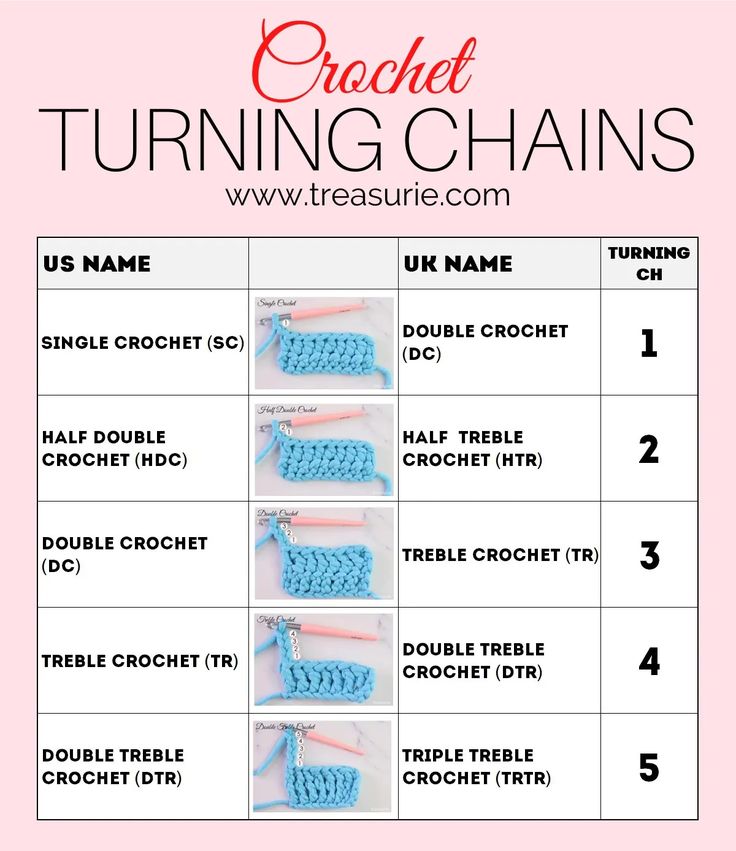

The Role of Turning Chains in Crochet Patterns
Cropperting patterns is so much more than stitching; it’s about the rhythm of turning chains, the structural foundation that meets the eye, and the unseen yet indispensable turning chains.
They are the silent champions that ensure a consistent and seamless transition from row to row, adding texture and depth to your crochet projects.
Turning Chains in Garter Stitch
The humble garter stitch, a beginner's best friend, relies heavily on turning chains to create its lush, textured surface. Every other row starts with a turning chain, creating a dense, plush fabric that is soft to touch and inviting to the eye.


The key here is consistency - always starting your new row with the same type and number of turning chains to maintain a uniform, sleek look.
Turning Chains in Granny Squares
Granny squares, or 'granny blocks,' are cornerstones in textiles and have a enduring appeal and versatility. A granny square comprises of four sides, each beginning and ending with a foundation chain or turning chain.
This humble yet effective technique not only simplifies the process but turns it into an intricate, repeatable unit that forms the building blocks of many crochet masterpieces.
Mastering turning chains opens doors to possibilities in your crochet journey. It's worth taking a moment to grasp this technique fully, to create magnificent, flawless projects that narrate your unique story through every stitch and turn.
Related Articles
Understanding Turning Chains in Crochet: A Beginner's Guide
Embarking on your crochet journey can be incredibly rewarding, but it's also packed with new terms and techniques to learn. One such term you might come across...
Unraveling the Mystery: The Purpose of a Turning Chain in Crochet
The turning chain in crochet, often shortened to 'tc', serves a pivotal role in this beloved textile craft. But what exactly is its purpose, and why is it an...
Mastering Crochet: What is a Turning Chain & Why It's Essential
Embarking on a crochet venture? Whether you're a seasoned yarn whisperer or a curious novice, understanding the humble yet essential "turning chain" is a must...
Understanding the Turning Chain in Single Crochet
The turning chain, often abbreviated as TC or tch, is a fundamental element in many crochet patterns. It's a simple series of chains thatediation occurs...

Do You Crochet into the Turning Chain
When embarking on a crochet project, one of the most fundamental techniques you'll encounter is the turning chain. But the million-dollar question that often...
What is a Turning Chain?
A turning chain, also known as a buy/sell chain or an order chain, is a set of instructions used in business to guide the purchase and sale of goods or...