Do You Crochet into the Turning Chain
When embarking on a crochet project, one of the most fundamental techniques you'll encounter is the turning chain. But the million-dollar question that often stumps both beginners and seasoned crocheters alike is: Should you crochet into the turning chain?
It might seem like an innocuous query, but the answer can significantly impact your final product's look and feel. Let's delve into this enthralling world of crochet, exploring why and when you should crochet into the turning chain, and when it's best to leave it be.
Understanding the Turning Chain
First, let's demystify the turning chain. In crochet, whenever you turn your work, you need to create a chain of stitches to maintain the correct tension and prevent gaps. This is your humble turning chain. It's the foundation upon which you build your new row of stitches.


Now, the crux of the matter lies in whether you should integrate this turning chain into your crochet work or treat it as a mere placeholder, to be discarded or ignored.
Why Crochet Into the Turning Chain?
To Create a Smooth Edge

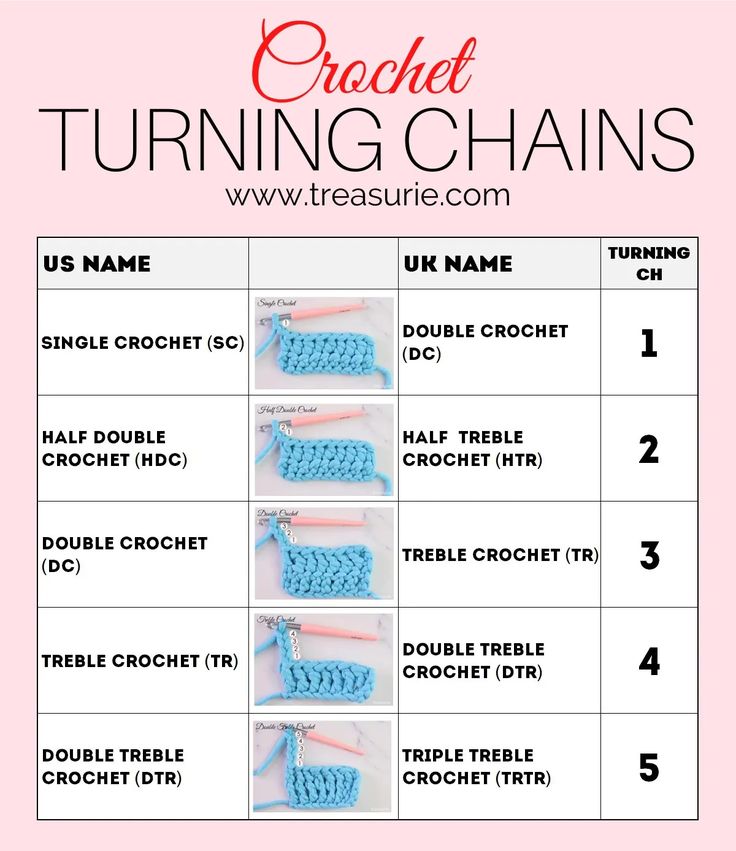

Crocheting into the turning chain results in a continuous, cohesive edge. By working your first stitch into the chain, you create a neat, flush border, which is particularly useful for ribbing, foundation chains, or any project that requires a clean, uniform edge.
To Maintain Level Rows
When working in the round or creating granny squares, crocheting into the turning chain helps keep your rows level. It prevents the telltale dip caused by starting each round in the same stitch, resulting in a more polished and professional-looking project.


Why Not Crochet Into the Turning Chain?
For an Open, Lacy Effect
Leaving the turning chain unworked creates small openings in your fabric, lending a delicate, lace-like appearance. This is particularly prevalent in stitch patterns like mesh, net, or openwork. It's a feature, not a bug, so embrace it!
Avoids Bulky Edges


Working into the turning chain can lead to a slight bulge or ridge along your project's edge. If you're aiming for a streamlined, smooth appearance, like in many scarves or dishcloths, leaving the chain unworked can result in a more pleasing, less bulky final product.
Alternatives to Working into the Turning Chain
But what if you want to keep that neat edge without the bulk? There are ways to have your cake and eat it too.
One popular alternative is the Chainless Foundation. Instead of creating a separate turning chain, you work your first stitch directly into the last stitch of the previous row. This method creates a seamless, virtually invisible foundation, perfect for projects where you want a clean edge without the added bulk.
Mastering the Chainless Foundation
To execute the chainless foundation, simply insert your hook into the last stitch of the previous row. Instead of yarn over and pulling up a loop, you'll work your usual stitch (single crochet, half double crochet, double crochet, etc.) directly into that stitch. This effectively replaces the turning chain, giving you a seamless edge.
Chainless foundations are commonly used in scarves, dishcloths, and other projects where keeping a consistent edge is crucial. However, it can take a bit of practice to get the hang of, so don't be discouraged if it takes a few tries to get the technique just right.
Slip Stitch Turning Chain
Another nifty trick is the Slip Stitch Turning Chain. This method involves slipping the first stitch of the previous row instead of working into it. You'll then chain one and slip stitch into the same space to secure the turning chain. This technique creates a smooth edge without adding bulk or disrupting the pattern.
While both methods have their merits, the key is to choose the one that best suits your project and your personal preference. Don't be afraid to experiment and find what works best for you.
So, there you have it - an in-depth exploration of whether you should crochet into the turning chain. Like many aspects of crochet, there's no one-size-fits-all answer. It's all about understanding the techniques, their effects, and how to make them work for you. Now go forth, grab your hook and yarn, and happy crocheting!
Related Articles

Understanding Turning Chains in Crochet: A Beginner's Guide
Embarking on your crochet journey can be incredibly rewarding, but it's also packed with new terms and techniques to learn. One such term you might come across...

Unraveling the Mystery: The Purpose of a Turning Chain in Crochet
The turning chain in crochet, often shortened to 'tc', serves a pivotal role in this beloved textile craft. But what exactly is its purpose, and why is it an...
Crochet Turning Chain Explained: What is it and How to Do it
Ever found yourself in the midst of a crochet project, grappling with a seemingly insurmountable grub of yarn? Fear not, for there's a simple, elegant solution...
Mastering Crochet: What is a Turning Chain & Why It's Essential
Embarking on a crochet venture? Whether you're a seasoned yarn whisperer or a curious novice, understanding the humble yet essential "turning chain" is a must...
Understanding the Turning Chain in Single Crochet
The turning chain, often abbreviated as TC or tch, is a fundamental element in many crochet patterns. It's a simple series of chains thatediation occurs...

Transform Screened Porch into Multi-Season Room
Imagine extending your living space and enjoying the outdoors with the best of both worlds - a screened-in porch that's not just for summer, but a cozy retreat...