Crocheting Demystified: What is a Turning Chain?
Hooking circles into chains - both physically and metaphorically - is a fundamental aspect of crocheting. The turning chain, a dexterous maneuver in the crochet world, is the cornerstone of this process. If you've ever wondered, "What is a turning chain in crocheting?" you're in the right place. Let's delve into this essential technique, unlocking its purpose, variants, and significance in your crochet journey.
The turning chain, also known as a chain stitch or 'ch', serves as the connective link between different sections of a crochet project. It allows you to change direction, alter the tension, or simply add height to your stitches, all while maintaining the integrity of your work. Let's explore its role and variations in more detail.
The Role of the Turning Chain in Crocheting
The primary function of a turning chain is to 'turn' your work. It provides a way to switch from one row of stitches to the next without breaking the chain of your work. This simple yet powerful technique enables you to create shapes, patterns, and intricate designs, turning your crochet pieces from flat into dimensional and structured.


The number of chains stitched sets the tension for the upcoming row. An even chain count builds a firm foundation, while an odd count creates an open, stretchy fabric. This versatility makes the turning chain a staple in every crocheter's skills set, opening up a world of possibilities for textures, patterns, and finished products.
Fundamentals: The Basic Turning Chain
The basic turning chain typically consists of 1-2 chain stitches, depending on the intended height and flexibility of the turning row. To execute this fundamental chain, insert your hook into the first stitch of the prior row, wrap your yarn around your hook, and pull up a loop (1 chain). Repeat once more (total of 2 chains).


Following this foundational technique, you'll create a chain that's flexible yet strong, allowing you to transfer from one row to the next with confidence. Mastering this basic turning chain will provide a solid base for more advanced techniques and stitches.
Variations: Extended Turning Chains
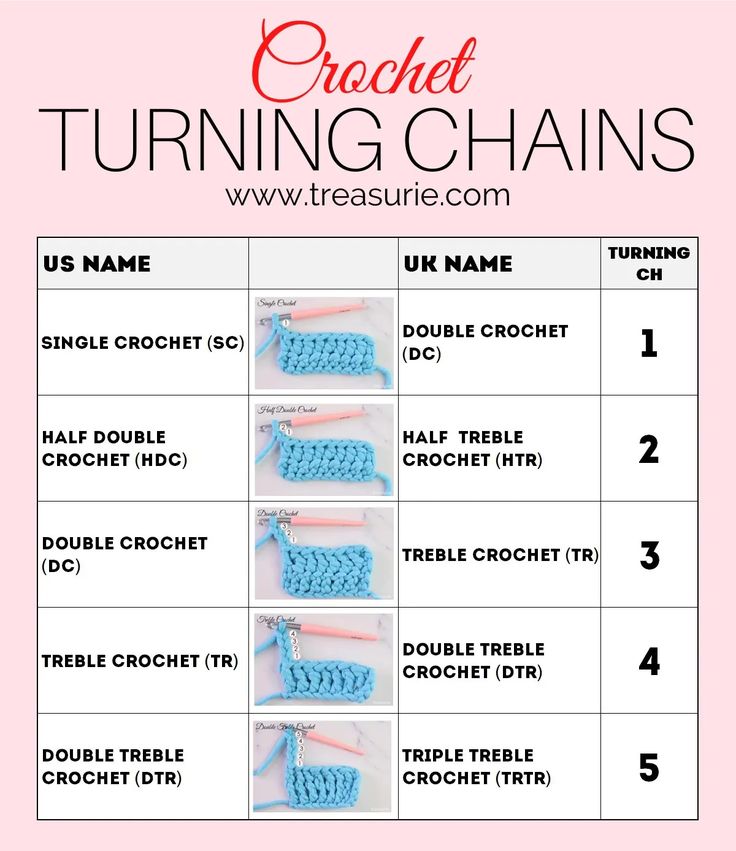
Sometimes, you might require extra height or space between stitches for your project. In such cases, you'll extend your turning chain to 3 or more chains. Each additional chain adds extra height to your row, creating room for increased stitches or creating special stitches like the double crochet, half double crochet, or bullet stitches.
Extended turning chains allow crocheters to experiment with different stitch heights and patterns, adding texture and depth to their projects. Learning these variations enriches your crochet skillset, enabling you to create more complex and visually appealing pieces.



Integrating Turning Chains into Your Crochet
Incorporating turning chains into your crochet practice, from basic granny squares to complex lace patterns, is essential for creating consistent, high-quality work.
In Patterns, the term '-chain' or the acronym 'ch' signals the need for a turning chain. Familiarize yourself with these instructions, and you'll breeze through projects, connecting stitches seamlessly. Practicing turns, particularly at the start and end of rows, instills good habits and reinforces the importance of this fundamental technique in your crochet journey.
Planning for Turning Chains
Before embarking on a crochet project, consider the role and impact of turning chains. Recognize when an extra chain or two might be necessary for height, or conversely, where you can economize chains to keep tension even and consistent.


Anticipating these requirements while perusing patterns or drafting your own designs will improve your crochet flow and finished results. Knowing when to 'chain one' or 'chain two' (or more) empowers you, making each stitch a deliberate, informed, and ultimately satisfying part of your craft.
Refining Your Turning Chain Technique
Deliberate practice and mindfulness remain key ingredients in refining your turning chain technique. Pay close attention to your tension, especially when changing rows, and strive for consistency in your chains. Maintaining a measured, rhythmic approach will result in even, balanced stitches that enhance your entire project.
Experiment with different chain heights, noting their effects on tension and design. Videotaping or enlisting a partner to observe your technique can provide valuable insights, helping you identify areas for improvement and boosting your crochet confidence.
In the splendid world of crochet, the turning chain stands tall as an underneath-the-radar hero - essential, unassuming, yet quietly powerful. Harnessing this versatile technique, along with your expanding knowledge of crochet, will open doors to exciting projects, challenging patterns, and fresh creative perspectives. So, don't shy away from the humble chain - embrace it, and let your crochet skills soar!
Related Articles
Understanding Turning Chains in Crochet: A Beginner's Guide
Embarking on your crochet journey can be incredibly rewarding, but it's also packed with new terms and techniques to learn. One such term you might come across...
Unraveling the Mystery: The Purpose of a Turning Chain in Crochet
The turning chain in crochet, often shortened to 'tc', serves a pivotal role in this beloved textile craft. But what exactly is its purpose, and why is it an...
What is a Turning Chain?
A turning chain, also known as a buy/sell chain or an order chain, is a set of instructions used in business to guide the purchase and sale of goods or...
Crochet Turning Chain Explained: What is it and How to Do it
Ever found yourself in the midst of a crochet project, grappling with a seemingly insurmountable grub of yarn? Fear not, for there's a simple, elegant solution...
Mastering Crochet: What is a Turning Chain & Why It's Essential
Embarking on a crochet venture? Whether you're a seasoned yarn whisperer or a curious novice, understanding the humble yet essential "turning chain" is a must...
Understanding the Turning Chain in Single Crochet
The turning chain, often abbreviated as TC or tch, is a fundamental element in many crochet patterns. It's a simple series of chains thatediation occurs...